
NOURISH & NUTRITION
Rethinking Supplements: Quality and Sourcing Matter
September 04, 2026·9 min read
Holistic Health, Supplements, Are Supplements Worth It
When I Changed My Mind About Supplements
The quality and sourcing of your supplements truly matter. In a market that is only lightly regulated, the ingredients listed on the label do not always match what is actually inside the bottle. Independent lab analyses have repeatedly uncovered products - especially those purchased through large online marketplaces - with far less of the active ingredient than promised, or with unexpected contaminants. This is a large part of what Ryan and I do. We've spent time researching, analyzing, and contacting these companies to get to the best quality supplements with clinical backing proving their efficacy. Read on to hear my personal journey finding what works.
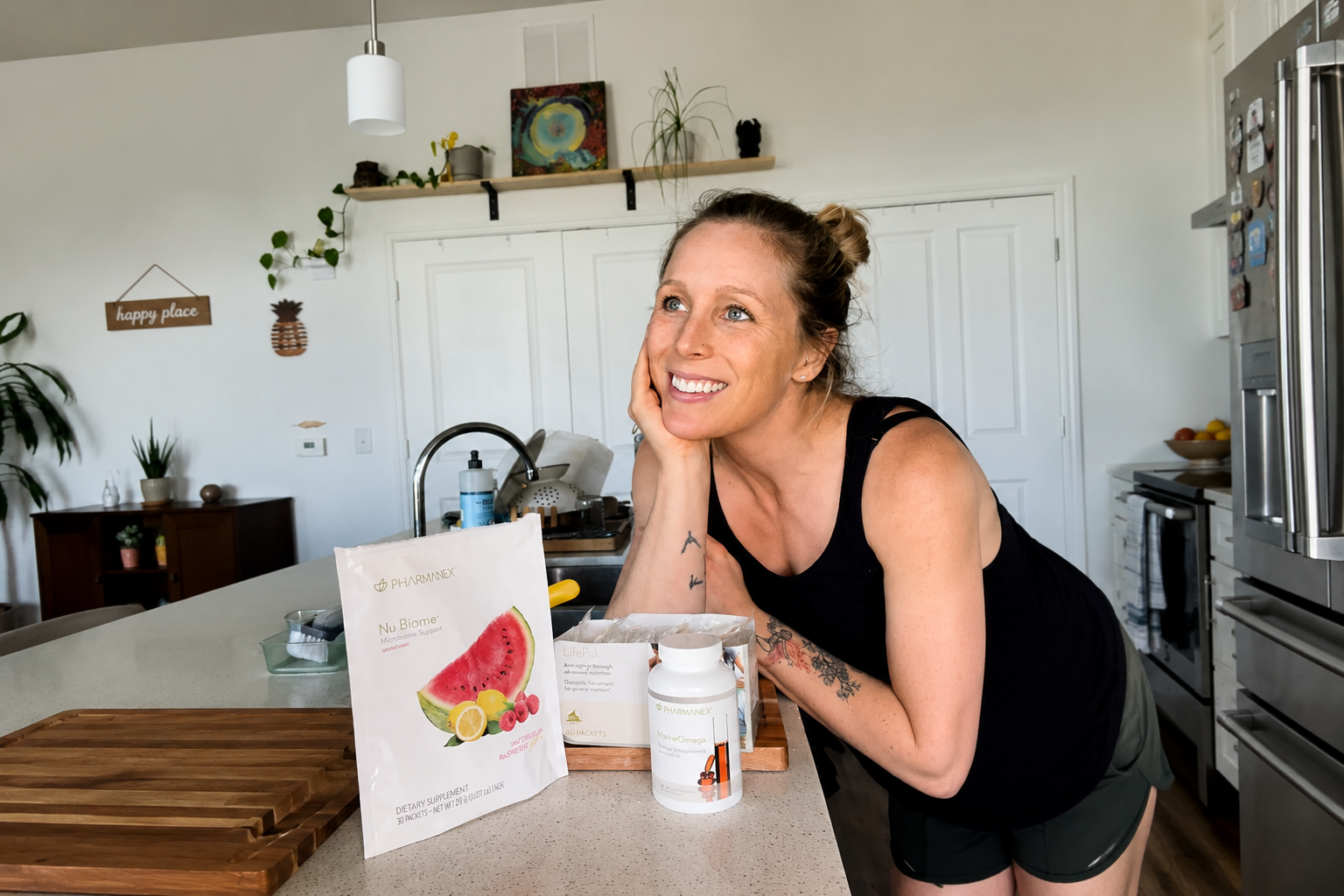
A large part of what Ryan and I do in our business is educate people on proper supplementation and measuring their actual nutrient status. And there's a lot of crap out there right now.
People are buying cheap supplements off Amazon, but here's the thing about Amazon: anyone can sell there. Sellers swap out what's actually in the bottle. Deep fakes are good these days... good enough that you might not even be taking what's on the label. And worse, what's actually in that bottle could be making you sick, or at the very least inflamed, which will get you sick eventually anyway.
So let me back up and give you some of my history first.
I always took multivitamins or some kind of supplement to support my bodybuilding training. Collagen, intermittently. Protein powder, intermittently. Fat burners, intermittently. Creatine, consistently. But once I stopped training hardcore bodybuilding style, an hour or two a day, I realized all of it was hurting my body. I wasn't recovering properly. And if I wasn't recovering, even while eating well and supplementing, I had to look at everything again.
So I took a real deep dive into my own health.
I decided multivitamins weren't worth it; I couldn't feel in my body that they were doing anything. Friends approached me to sell supplements for their companies, and I never felt an intuitive connection to any of it working; and quite honestly I want to see proof in outcomes and numbers, not just subjective reporting that someone feels better (that's the science side of me). I liked the way Arbonne's supplements tasted. I just didn't think they worked. Beachbody I had a decent experience with, but didn't love the last of any of them.
Fast forward to when I met Ryan. We were just friends at the time, and he started educating me on supplements and individual nutrients, how they interact with each other in the body. Up until then I thought I had a pretty deep understanding of nutrition. Learning even a fraction of what Ryan understood changed everything for me. He is a genuine wealth of knowledge, and it shifted my whole perspective on nutrition and supplementation.
If I'm being honest, I told him flat out that I didn't believe taking supplements would help me at all.
Then we started a few targeted protocols, for my anxiety and my histamine levels specifically. And a few months in... I was feeling significantly better.
Back then I was still working twelve-hour shifts in the hospital. Stressful work, plus training on top of it, so my baseline stress was already high. The first things we added were creatine for training, magnesium for nervous system support, glycine, vitamin C, and inositol.
💡 Pro Tip: You can almost always feel even better, even when you are already eating well and training consistently.
Here's the rationale behind that specific stack
Creatine isn't just for muscle; it supports brain energy too, which matters a lot when you're running on twelve-hour shifts and not enough sleep. Magnesium is involved in over three hundred processes in the body, nervous system regulation being one of the big ones, so it was the obvious first move for someone as wired and tired as I was. Glycine supports a calmer nervous system and deeper sleep, and it's a building block for collagen too, so it did double duty. Vitamin C supports the adrenal glands, which take a real beating under chronic stress. And inositol is one that doesn't get talked about enough... it's tied to how the brain uses serotonin and GABA, which is exactly the chemistry involved in anxiety.
If you want the fuller picture on why moms specifically run low on nutrients like magnesium, I break it down in Essential Minerals for Motherhood Wellness.
After a couple of months, I noticed reduced allergies, improved recovery time, better sleep, and more resilience to stress at work.
I was sold. I came to understand that targeted supplementation, from quality companies, can genuinely help fill the gaps most of us are walking around with.
Then came a beautiful partnership in Ryan's life. He was approached by a now business partner to join a company built on clinically validated supplementation... meaning they actually have research behind the claims on their products, not just the ingredient.
If you didn't already know this: any company can claim a product does what it says on the label. They don't have to have studies on their specific formulation proving it. Let me give you an example. Magnesium is typically marketed for nervous system support, because magnesium is genuinely involved in over three hundred processes in the body, including nerve function. So any company selling magnesium can put that claim on the bottle, even if they have no idea what percentage of their specific version actually reaches your cells, relaxes a muscle, or calms a nerve.
That's because supplements are a largely unregulated market. Which is exactly why you need to find vetted companies; ones that actually have research in human trials proving their specific product does what it says. That's where someone like Ryan, or me, comes in. We've spent a decade researching exactly this. Ryan actually wrote a whole breakdown on this exact question over at The Holistic Hub: Who Actually Made Your Supplement - and What 'Owns the Lab' Really Means.
Everyone out there is trying to make a buck, and a lot of people are taking brand deals to do it. A brand deal doesn't guarantee the person talking about the product actually loves it, uses it, or that it even works. Sometimes people just get paid a lot of money to talk about it.
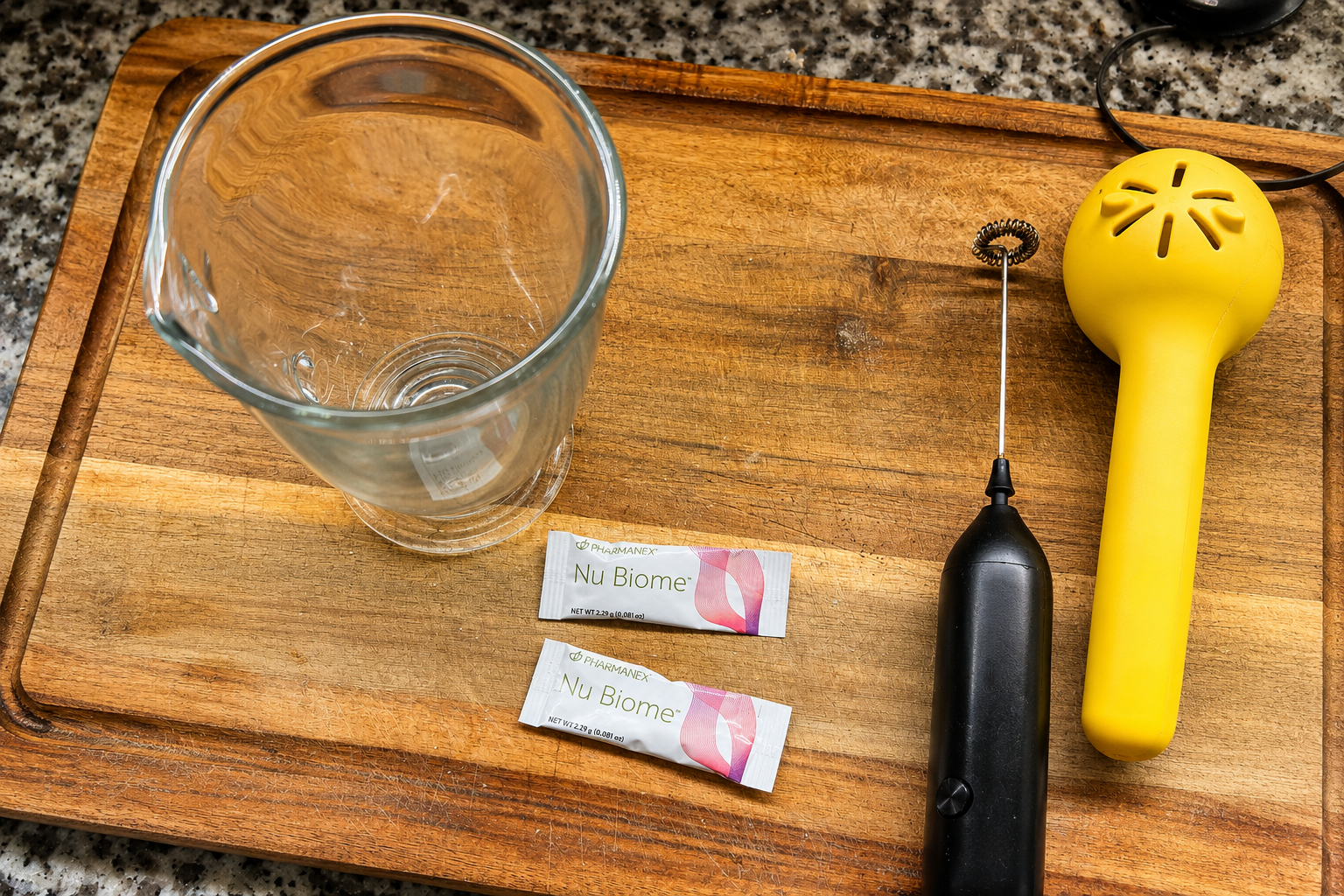 nubiome drink
Are Supplements Regulated Like Medications?
So I'll never lie to you about what we make money on. We do affiliate marketing, but maybe not for the reason you'd assume. We only sell, talk about, and use products we've actually researched and genuinely love. I believe if you really love something, you should be able to make an honest living talking about it, and if you ever want to do the same with what we use, I'm always happy to talk it through.
So, back to my own supplementation journey. Once I started taking a real multivitamin and noticed a huge shift in my overall energy, I realized something: you can always feel better, even if you're already eating clean and training hard. I was doing both, and I still had room to improve.
I've experimented with different protocols over the years, based on my finances at the time and on how my body actually responded. For the past few years I've mostly stayed consistent on two things: a daily multivitamin, and a high quality omega, because you need a proper balance of omega 3 and 6 (an excellent article by my hubby on that here) . From there, I layer in targeted support depending on what I need in that season. Better sleep. More stress support during the day. Immune support. Whatever it is.
The other consistent that's made the biggest difference in how I feel overall has been a humic and fulvic mineral supplement. (save 20% with code HolisticLove)
It comes from beneath the earth's surface... thousands of years of compressed plant matter, filtered to capture the full mineral profile the human body actually needs, at the ratios it needs them in. Minerals most of us have never even considered. It's a liquid, filtered through ionic filtered water, easy to take, and it delivers essentially every mineral you need, plus the humic and fulvic compounds themselves, which bind to heavy metals and other toxins in your cells and help clear them out gently.
You do have to take it daily to feel the ongoing benefit. Living in Texas, that electrolyte and mineral support was genuinely a game changer for me. I started taking it a couple summers ago and felt the difference almost immediately.
I'm sharing all of this to tell you: effective supplements exist. You just have to know which ones to actually trust, and I know that's the hard part. How do you know who to believe these days?
You have to use your own discernment. My honest opinion: take advice from someone who actually specializes in this, someone who looks into where these nutrients are sourced, how they're processed, how they're shipped, because every one of those steps matters when you're putting something into your body.
Ryan and I take real pride in this work. We want people to feel better, and we've watched it happen, for ourselves and for every client we've been able to help.
If you need further support or have questions about any of this, reach out on IG or book a free consult with me. I'd be happy to help in any way I can.
Frequently Asked Questions
Are supplements regulated the same way medications are?
No. Medications must go through rigorous clinical trials and FDA review before they are approved for use. Supplements are regulated more like a category of food, which means companies are responsible for ensuring safety and quality, and the FDA usually steps in only after problems are reported. This is why choosing brands with strong internal standards and third-party testing is so important.
How do I know if a supplement actually contains what the label says?
Look for independent verification. Seals from organizations like USP, NSF, or Informed-Sport indicate that a product has been tested for identity, potency, and contaminants. Many high-quality companies also share Certificates of Analysis for each batch. If a brand cannot or will not provide this information, that is a gentle but clear sign to look elsewhere.
What should I look for in a quality supplement company?
Prioritize companies that follow cGMP standards, use third-party testing, and are transparent about their ingredient sourcing and manufacturing. They should avoid exaggerated cure-all claims, clearly list all ingredients and doses, and be willing to answer your questions. A calm, science-informed approach is usually a better sign than flashy marketing.
Can supplements help with stress and anxiety?
For many people, yes - especially when used alongside lifestyle support and, when needed, professional mental health care. Nutrients like magnesium, glycine, inositol, and certain B vitamins can help replenish what chronic stress depletes and support more balanced nervous system function. The most effective plans are individualized and ideally guided by a practitioner who understands both physiology and your personal story.
Is it possible to feel better even if I already eat well and exercise?
Absolutely. Eating clean and moving your body lay a strong foundation, but targeted supplementation based on your individual needs can still help you feel better, recover more deeply, and support your long-term health.
Want to go deeper?
If something here landed, we can talk it through — slowly, and on your terms.
Book a Free Consult